
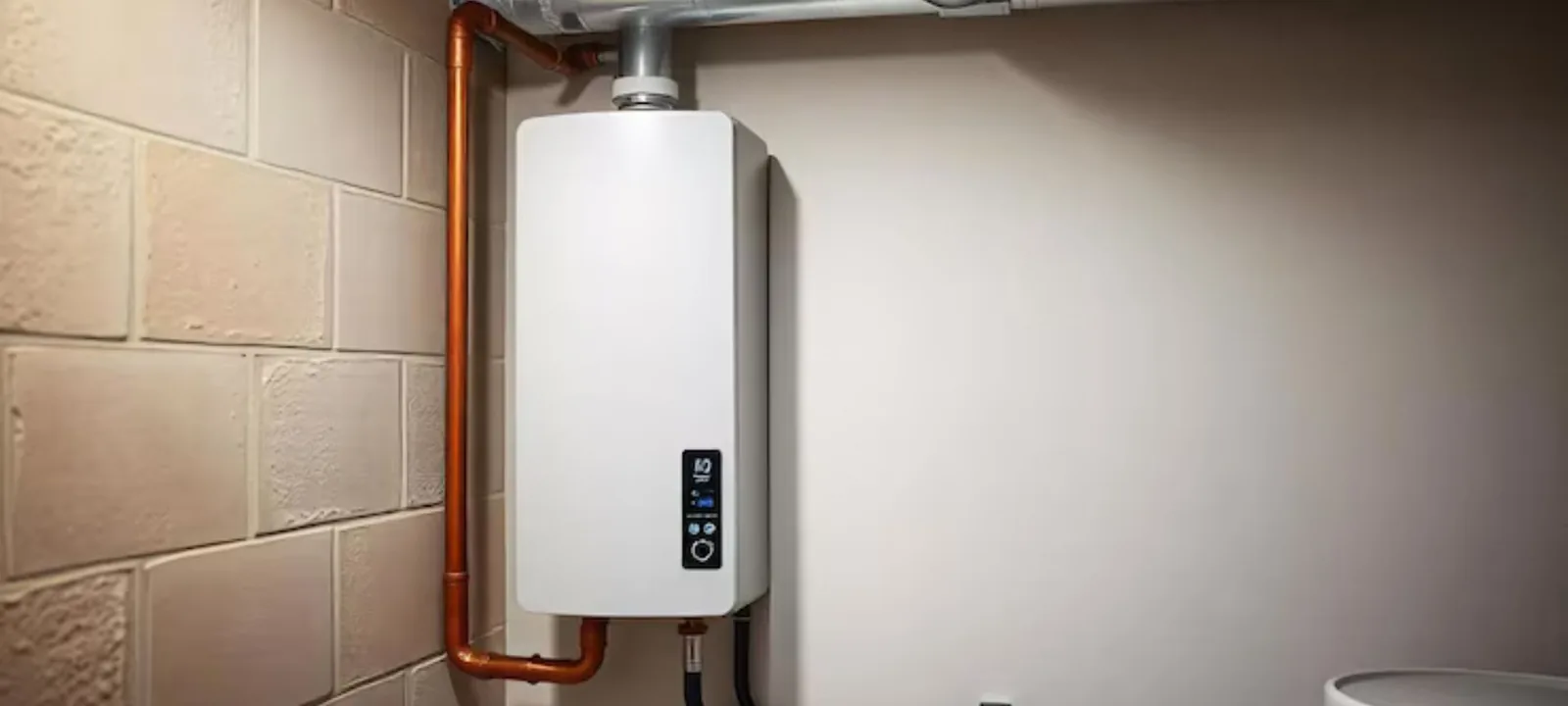
What a tankless replacement quote should include
A tankless replacement quote covers more than the heater. It should list the unit, any gas line changes, the vent system, electrical needs, condensate drainage, and the removal of your old tank. Each item changes the total.
We do not post dollar figures on this page because homes differ too much. What you should get is a clear price before work starts, in writing or spoken plainly, so no line item is a surprise. Our tankless water heater page covers the system itself.
Use the list below to compare any quote you receive, ours or anyone else's.
Line items, one by one
- The unit and its capacityLarger flow rates and more fixtures mean a larger unit. Condensing models usually cost more than non-condensing ones.
- Gas line sizeTankless units draw a lot of gas at once. If the existing pipe is too small, a larger line must be run, and distance matters.
- VentingSome models need stainless or plastic venting, and the route out of the house changes the labor. Sidewall and roof exits differ.
- Electrical supplyMost gas units still need a powered outlet for the fan and controls. Electric tankless units may need heavy circuit upgrades.
- Condensate drainCondensing models produce acidic water that must drain properly, sometimes through a neutralizer to a floor drain or pump.
- Water line changesIsolation valves, a pressure relief line and sometimes a new recirculation setup add parts and time.
- Removal and haul-awayTaking out a full tank and its old flue is part of the job, and access can slow it.
- Permit and inspectionReplacements go through the municipal construction office under New Jersey's Uniform Construction Code.
Ask for the line items
If a quote shows one lump sum, ask what gas line work, vent material and condensate method it assumes. Two quotes can look similar and cover very different jobs.
Gas line sizing, in plain terms
Gas pipe is sized by how much fuel the heater burns at full firing and how far the pipe runs from the meter. A tankless heater burns far more at peak than a tank heater does. That is why an old half-inch branch line can be too small.
The installer should check the unit's rating against your existing pipe before quoting. If another gas appliance shares the line, the whole load matters. A quote that skips this check is a quote that may change after work starts.
Venting and condensate: where surprises hide
Old tank heaters usually vent up a metal flue to a chimney. Tankless units need their own vent, often out a side wall. The route, the length and the clearance from windows and doors all affect the work.
Condensing units create a steady trickle of acidic condensate. It needs a drain, and sometimes a small pump when no floor drain is close. Ask where the condensate will go before you sign.
| Item | Tank to tank | Tank to tankless |
|---|---|---|
| Gas line | Often reused | May need upsizing |
| Venting | Often reuse existing flue | New vent system common |
| Electrical | None for many gas tanks | Outlet needed for fan and controls |
| Condensate | Not applicable | Drain or pump for condensing models |
| Wall space | Floor footprint | Wall mounting, clearances |
Details depend on the model and the house.
Tankless replacement in Manchester Township homes
Manchester Township's median home was built in 1979, and about 52 percent of homes date before 1980. Older houses often have a chimney flue built for a tank heater and a gas branch sized for it. Expect the quote to look at both, since switching to tankless changes the load.
Township water runs moderately soft to soft. The Eastern Service Area reported 2025 hardness of 52 to 88 ppm, and the Western Service Area 72 to 96 ppm. Scale is mild here, so a tankless heater does not need heavy descaling, but a yearly flush still removes sediment.
The Western Service Area, which covers the Whiting section, also reported iron up to 1.08 ppm in 2025, above the 0.3 ppm taste and staining guideline. Iron can foul small heat exchanger passages over time. Ask about a sediment filter if your water leaves rust stains.
Gas and plumbing permits go through the municipal construction office. A good quote lists who pulls the permit, so you are not left to guess.
When a tankless unit is not the right call
Tankless is not always the better answer. If a house has no workable vent route, a very small gas line, or the owner wants the lowest upfront outlay, a tank replacement may fit better. Our water heater replacement service covers that option.
Plan on tankless when you have a growing household, limited space, or you tire of running out of hot water. Choose a straight tank swap when the budget and vent route favor it. We will lay out both on the call.
What to do before you ask for a quote
- Write down the make, model and age of your current heater.
- Photograph the flue pipe, gas meter and the area around the heater.
- Count bathrooms, showers that run together, and big appliances.
- Note where a floor drain or sump is.
- Tell dispatch whether you have natural gas or propane.
Ready for a clear price on a tankless swap? Call (609) 547-1417 and describe your setup.
Comparing two quotes fairly
Put the quotes side by side and mark which line items each one includes. A lower total often leaves out the gas line, the vent or the permit. A higher one may bundle work the other quote adds later as extras.
Ask what happens if the crew finds a surprise, such as a corroded gas fitting or a blocked chimney. A clear answer before work starts protects you. Ask also what the work covers if the unit needs a warranty claim, and get the terms from the maker's paperwork rather than from memory.
Nearby towns
We also quote tankless work in Lakewood and Lakehurst. The same line items apply there. Local venting and permit details can differ, so ask each town's construction office.
Frequently asked questions
The unit, gas line work, venting, electrical supply, condensate drainage, removal of the old tank, and permit. A clear quote lists each.
Often, yes. Tankless units burn a lot of gas at once. The installer checks your existing pipe size and run length.
Usually not. Tankless units commonly need their own vent material and route.
Condensing units make acidic water that must drain safely, sometimes through a neutralizer or pump.
Water is moderately soft to soft, so scale is mild. Iron in parts of the Western Service Area is worth asking about.
The permit goes through the municipal construction office under the Uniform Construction Code. Ask that your quote names who handles it.