
What works and what is mostly a myth
For a soft clog made of soap and hair, hot water, a plunger or a hand snake often works. Baking soda and vinegar fizz nicely but rarely clear a real blockage. Enzyme cleaners help slowly with organic buildup.
Natural methods are gentler on pipes and on septic tanks than harsh drain chemicals. They are not magic, though. If a drain stays blocked after the steps below, the clog is deeper, and our drain cleaning service can reach it.
| Method | Works on | Honest verdict |
|---|---|---|
| Baking soda and vinegar | Light odor, minor film | Cleans a little, rarely clears a clog |
| Hot water | Grease film, soap | Helpful in a kitchen sink, not on a solid blockage |
| Plunger | Sink and tub clogs near the drain | Often works and costs little |
| Hand drain snake | Hair and debris within a few feet | Strong results when used gently |
| Enzyme cleaner | Slow organic buildup | Slow, so use for upkeep |
| Boiling water in a PVC drain | Nothing safe | Can soften or warp some pipes, so avoid |
Results depend on how far down the clog sits.
The baking soda and vinegar story
The fizz is a reaction that makes water, carbon dioxide and a mild salt solution. It looks powerful, yet the foam mostly runs off the top of a clog. It can freshen a drain and loosen a thin film, which is fine as a rinse.
What it will not do is dissolve a wad of hair or a hardened grease plug. Spending an hour on repeated rounds only delays a real fix. Give it one try on a minor slowdown, then move to a mechanical method.
Chemical safety
Federal safety guidelines and poison control centers warn against mixing household cleaners, especially bleach with ammonia or with acids, because the fumes can injure lungs. Keep a vinegar and baking soda trial separate from any store-bought opener, and ventilate the room.
A step-by-step order to try
- Remove the stopper and lookPull out visible hair and debris with gloved fingers or a bent wire.
- Flush with very hot tap waterUse hot water from the tap, not boiling, especially with plastic pipes or a porcelain sink.
- Plunge with a sealFill the sink enough to cover the plunger cup, block the overflow, and pump 10 to 15 times.
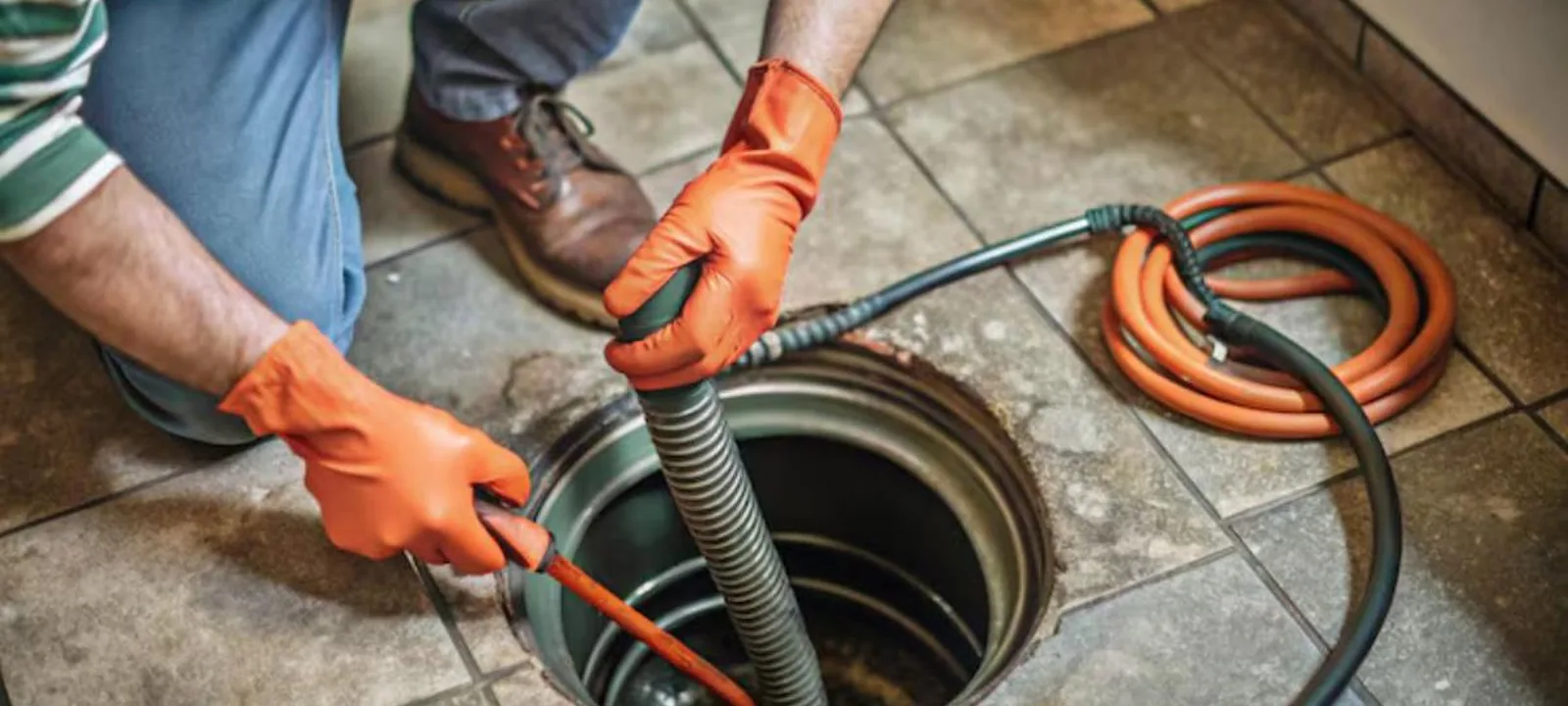
- Use a hand snakeFeed it slowly, turn the handle, and pull back any hair or debris. Stop if it jams.
- Rinse and repeat enzymesUse an enzyme product on the label's schedule for monthly upkeep.
- Call if it returnsA clog that keeps coming back usually sits farther down the line.
Skip harsh chemicals if you plan to call someone
Caustic drain openers can burn skin and eyes and can splash during later snaking. If you used one, tell the technician so they can wear the right gear.
What natural methods will not fix
- Tree roots in an outdoor sewer line.
- A collapsed or bellied pipe.
- A main line blockage that backs up a floor drain or tub.
- Several drains slow or gurgling at the same time.
- A toilet that overflows when you run the washer.
- Anything flushed or poured that should never go down a drain.
If more than one fixture is affected, the blockage is probably in a shared line. A hand snake will not reach far enough to matter. That is the point where hydro jetting or a main line cleaning becomes the sensible choice.
Drain care in Manchester Township homes
Some Manchester Township homes sit on public sewer and others on septic. If you are on septic, avoid harsh chemicals and bleach flushes, since they can upset the tank's bacteria. Enzyme products and mechanical clearing are the gentler picks, and your septic service can advise on any additive.
Census data shows a median build year of 1979 and about 33 percent of homes built in the 1970s. Houses of that era often have older iron or early plastic drain lines with rough interiors that catch grease and hair. Regular hot-water rinses and drain screens matter more in those homes.
The township sits in the New Jersey Pinelands, where sandy soil drains fast. That is good for yards and not a reason to ignore a sewage backup. A backup should be treated as a line problem, not a ground problem.
Water from both Manchester Township systems is moderately soft to soft. Soap scum forms less stubbornly than in hard water areas, so most kitchen and bath clogs here come from hair, grease and food rather than heavy mineral scale.
Habits that keep drains open
Prevention beats cleaning every time. Put a screen in every tub and shower drain. Wipe greasy pans with a paper towel before washing. Run hot water for 20 seconds after washing dishes.
Never flush wipes, even when the package says flushable. They do not break down like paper. Keep coffee grounds out of the sink, because they pack into a dense plug in the trap.
Safe habits when you try these methods
Wear gloves and eye protection when you snake or plunge a drain. Never mix cleaners, and never combine bleach with anything acidic. Keep the room ventilated while you work.
Stop if a tool jams or you feel the pipe move. Forcing a snake can scratch a pipe or push a clog deeper. A calm second attempt is better than a hard shove.
Use a bucket under the trap when you open one, and wipe up spills quickly so the cabinet floor stays dry.
A realistic weekly routine
Once a week, pour a kettle of hot tap water down the kitchen drain after the dishes are done. Once a month, apply an enzyme product at night when the drain sits unused. Pull hair from the shower screen after every few showers.
These small habits take about two minutes and keep films from hardening. Homes with older drain lines gain the most, since rough pipe walls hold residue.
If you rent, tell the landlord about repeat clogs rather than treating them yourself again and again.
When to stop and call
Call if the plunger and snake do not help after two tries, if water backs up into another fixture, or if a bad smell lingers. We also serve Jackson and Toms River, and clogs there behave the same way.
Stuck with a stubborn drain? Call (609) 547-1417 for a clear price before work starts.
Frequently asked questions
It can freshen a drain and loosen a light film, but it rarely clears a true clog. Use a plunger or hand snake for blockages.
Not always. Boiling water can soften PVC and crack porcelain. Hot tap water is safer for most sinks.
They work slowly on organic buildup and suit monthly upkeep, not for an active clog.
When several fixtures are slow, a floor drain backs up, or the same clog returns, it sits deeper than a hand tool reaches.
Harsh chemicals can upset a septic tank. Many homes here are on septic, so choose enzymes or mechanical clearing and ask your septic service.
Yes. Call (609) 547-1417 and describe which drains are slow or backing up.